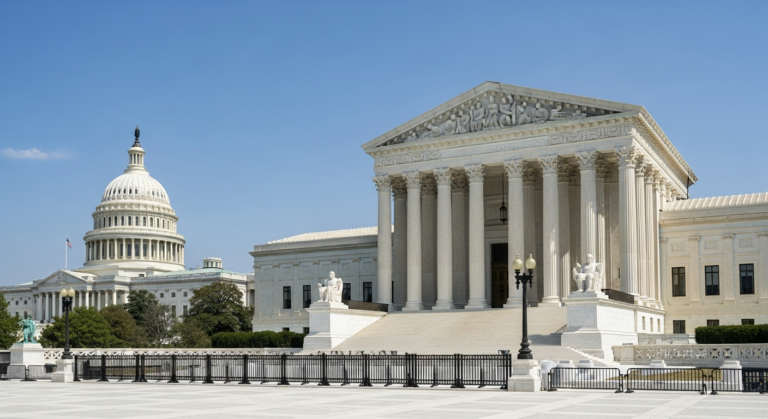
The Supreme Court has issued significant rulings that enhance the Trump administration’s ability to set immigration policy in contentious areas. These decisions are expected to have far-reaching implications, particularly concerning temporary protected status and asylum-related matters. Legal analysts and advocacy groups are closely examining the impact of these rulings, which could alter the landscape of immigration policy in the United States.
The rulings come at a time when immigration remains a hot-button issue, with various stakeholders advocating for changes that align with their perspectives. The court’s decisions provide the Trump administration with more flexibility to implement policies that had previously faced legal challenges. This newfound authority allows the administration to navigate complex immigration issues with greater ease, potentially reshaping the experiences of many individuals seeking refuge or stability in the United States.
Advocacy groups have expressed concern over the implications of these rulings, particularly for those relying on temporary protected status, which offers protection to individuals from countries experiencing conflict or disaster. The Supreme Court’s decisions could lead to changes in eligibility criteria or the renewal process for those currently under this status. Similarly, the rulings may affect asylum seekers, complicating their paths to safety and legal residency.
Legal experts are analyzing the nuances of the court’s decisions, emphasizing the need for clarity in how these rulings will be implemented. The Trump administration’s approach to immigration has been a focal point of national debate, and these rulings could further polarize opinions on the matter. As the administration moves forward, the implications of these decisions will likely be felt across various sectors, including law, advocacy, and the lives of countless individuals navigating the immigration system.
In Grand Rapids, where the local community includes a diverse population with many individuals directly affected by immigration policies, the ramifications of these Supreme Court rulings could resonate deeply. Local advocacy groups may ramp up efforts to support those impacted by changes in policy, while legal practitioners may need to adapt their strategies to align with the evolving legal landscape. The intersection of local experiences and national policy shifts underscores the importance of monitoring these developments closely.