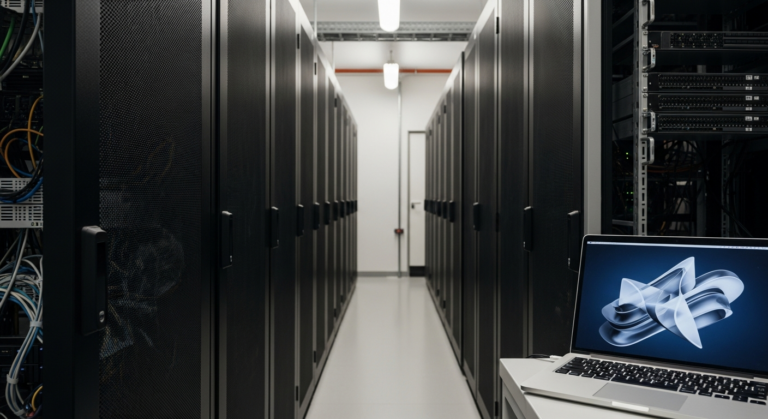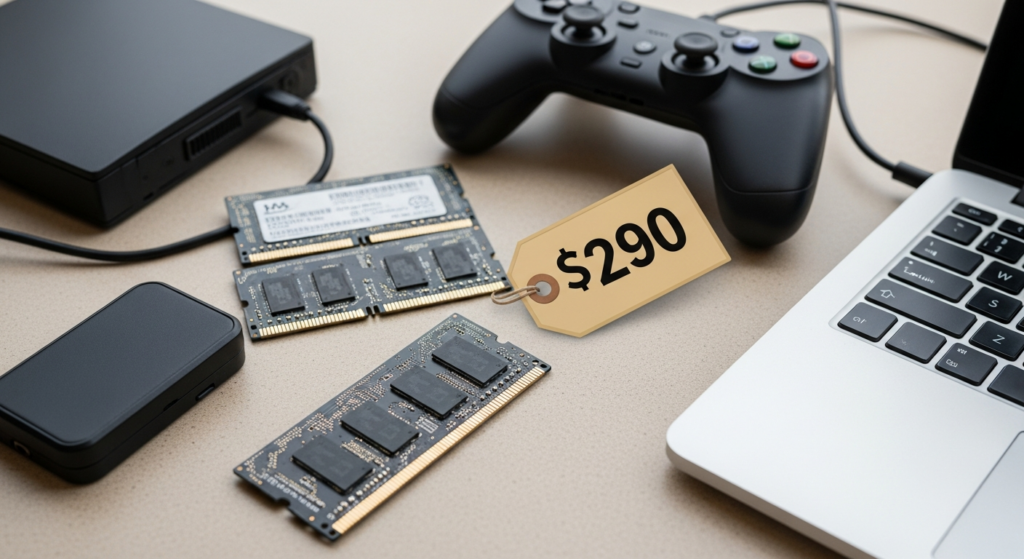
The burgeoning demand for artificial intelligence infrastructure is creating ripple effects throughout the consumer technology market, potentially impacting the prices of everyday electronics. Reports from technology and business news outlets indicate that the need for specialized memory and storage components for AI systems is tightening global supplies. This scarcity, in turn, is contributing to price pressures on a range of consumer devices, including personal computers, gaming consoles, and other electronic gadgets.
AI systems, particularly those involved in complex data processing and machine learning, require significant amounts of high-performance memory and storage. As companies invest heavily in building and expanding AI capabilities, the demand for these critical components has surged. This increased demand competes directly with the supply available for consumer-grade electronics, which also rely on similar, though often less specialized, memory and storage chips.
The consequence of this supply-demand imbalance is a projected increase in the cost of these components. Manufacturers of consumer electronics face higher procurement costs for memory and storage, which are often passed on to consumers in the form of higher retail prices. This dynamic is not unique to any single product category but affects a broad spectrum of electronic goods.
For consumers in Grand Rapids considering new purchases, this trend means that the cost of devices such as laptops, smartphones, and gaming consoles could be higher than anticipated. The pressure on component supply chains is a global phenomenon, but its effects are felt locally as retailers and manufacturers adjust their pricing strategies. While the exact extent of price increases can vary based on specific product models, component sourcing, and market competition, the underlying trend points toward a more expensive consumer electronics market.
This situation underscores the interconnectedness of global technology supply chains. Investments in advanced computing, such as AI, have far-reaching implications, influencing the availability and affordability of consumer products. As the technology sector continues to evolve, consumers may need to factor these evolving market dynamics into their purchasing decisions for electronics.