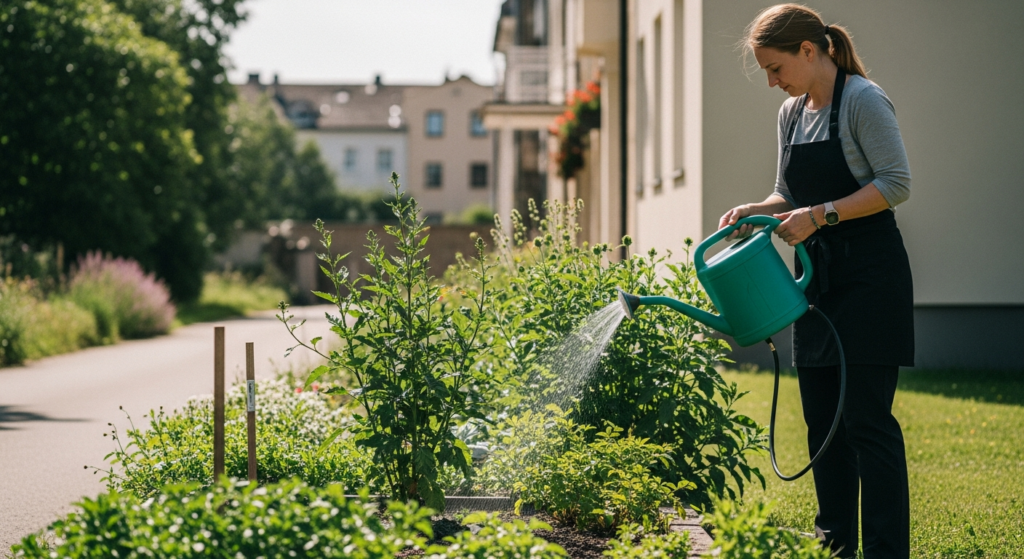
As Grand Rapids residents tend to their gardens during the peak of summer, advice from horticultural experts highlights the critical importance of timing and technique in watering, alongside vigilance for plant stress.
The current season’s warm temperatures necessitate a shift in routine watering schedules. Experts recommend watering early in the morning, before the sun’s intensity causes rapid evaporation and before plants begin to wilt from the heat. Watering deeply and less frequently is generally more effective than shallow, daily sprinklings, as it encourages deeper root growth, making plants more resilient to dry spells and high temperatures.
Plant stress is a significant concern for gardeners in Grand Rapids. Signs of stress can include wilting, yellowing leaves, or stunted growth. Overwatering can be as detrimental as underwatering, leading to root rot and fungal diseases, especially in humid conditions. Conversely, insufficient water can cause plants to become dehydrated, making them more susceptible to pests and diseases.
A seasonal gardening guide for July outlines essential outdoor-care tasks. Beyond watering, this includes mulching to retain soil moisture and suppress weeds, which also compete for water resources. Deadheading spent flowers can encourage further blooming and prevent the plant from expending energy on seed production. Monitoring for common garden pests, which can thrive in hot weather, is also advised.
For Grand Rapids gardeners seeking additional resources, verified local utility companies can provide information on water conservation and responsible usage during peak demand. City sanitation departments may offer guidance on composting yard waste, which can be used to enrich garden soil. Local extension offices and hardware stores often have knowledgeable staff who can offer tailored advice for specific plant varieties and local conditions. Emergency preparedness resources, while typically focused on broader community safety, can sometimes include information relevant to maintaining essential household resources like water during extreme weather events.
Understanding the specific needs of different plant species is crucial. Native plants and those adapted to drier climates generally require less intensive care. However, even drought-tolerant species can suffer during prolonged heat waves and may benefit from supplemental watering.
Gardeners are encouraged to observe their plants closely for any changes in appearance or vigor. Early detection of issues, whether related to water, pests, or disease, allows for timely intervention. Adjusting care routines based on observed plant health and prevailing weather patterns is a hallmark of successful summer gardening in the region.