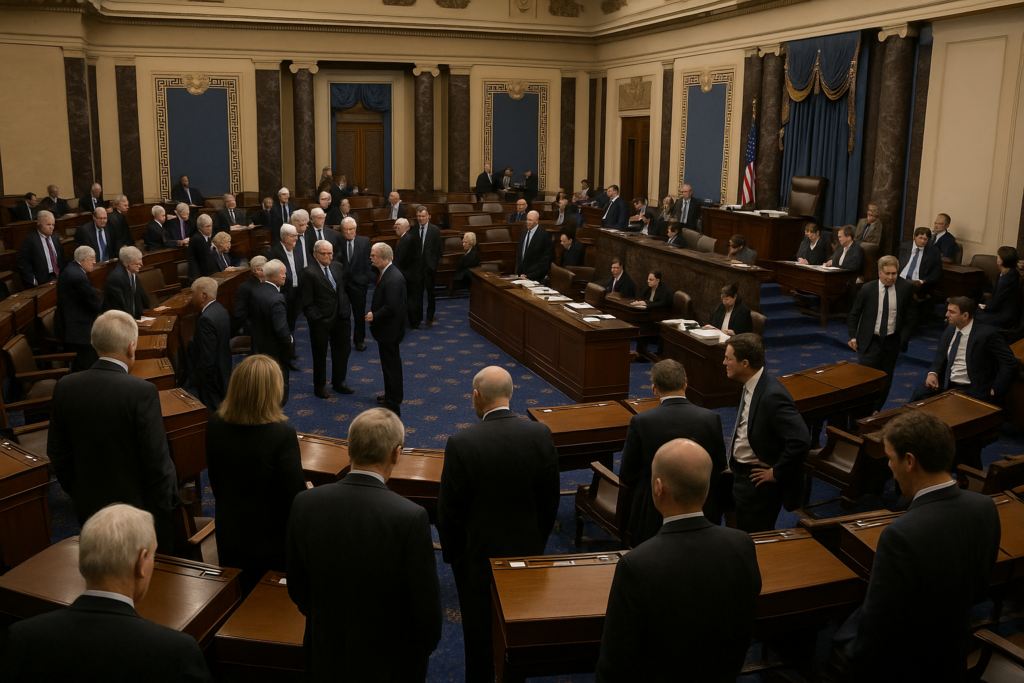
The Senate approved an Iran war powers resolution by a 50-48 vote on Tuesday, marking a pivotal moment in congressional oversight of military actions. This resolution, which directs the removal of U.S. forces from hostilities involving Iran unless Congress authorizes military action, garnered support from four Republican senators alongside most Democrats. The measure had previously cleared the House, establishing a bicameral statement regarding U.S. hostilities with Iran.
This legislative action is seen as both politically significant and legally contested, raising questions about the extent of congressional authority over military engagements. The resolution’s passage underscores a growing concern among lawmakers about the implications of U.S. involvement in Iran, particularly in light of ongoing tensions in the region.
The votes in both chambers reflect a broader debate within Congress about the appropriate balance of power between the legislative and executive branches when it comes to military action. Supporters of the resolution argue that it is essential for Congress to reclaim its constitutional role in authorizing military force, while opponents caution that such measures could undermine national security and the ability of the President to respond swiftly to threats.
In Grand Rapids, the implications of this resolution resonate particularly with military families and veterans, who are directly affected by decisions regarding U.S. military engagements. Local veteran organizations have expressed concern about the potential impacts of prolonged military actions abroad, emphasizing the need for clear communication and support for those who serve.
As the resolution moves forward, its legal enforceability remains uncertain. Reports suggest that while the vote is a symbolic rebuke to further military action, the actual implementation of the resolution may face challenges in the courts, particularly regarding its interpretation and enforcement.
The political landscape surrounding this issue is complex, with various stakeholders weighing in on the potential consequences of the resolution. As the summer progresses, the ongoing dialogue about U.S. foreign policy and military engagement in Iran is likely to continue, drawing attention from both lawmakers and constituents alike.