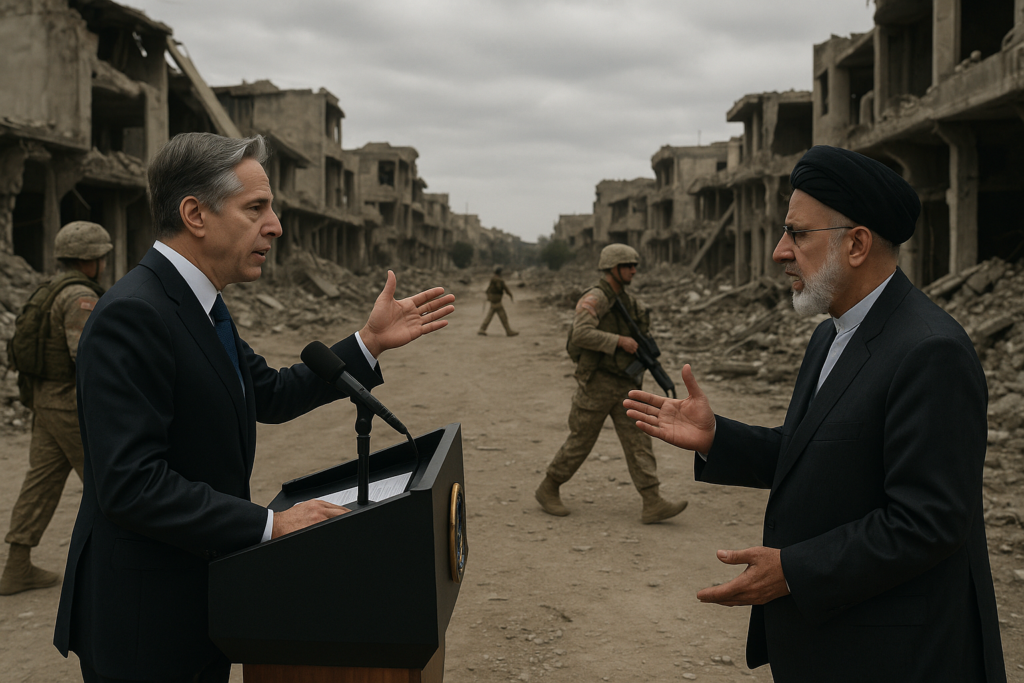
U.S. and Iranian officials have exchanged accusations following a series of attacks that jeopardize a fragile ceasefire in the region. The ongoing conflict has raised concerns about national security and the implications for foreign policy, particularly regarding U.S. military presence and regional shipping routes.
The recent escalation comes after a period of relative calm, during which diplomatic efforts aimed at stabilizing the situation seemed to be gaining traction. However, the new attacks have reignited hostilities, prompting both nations to blame each other for the breakdown of peace efforts. U.S. officials have stated that Iranian-backed groups are responsible for the violence, while Iranian leaders have countered that U.S. military actions are provoking further conflict.
This exchange of blame highlights the complexities of U.S.-Iran relations, which have been fraught with tension for decades. The fragile ceasefire was seen as a potential turning point, offering a glimmer of hope for peace in a region long plagued by conflict. Analysts warn that if the situation is not managed carefully, it could lead to a broader escalation involving other regional powers.
In the context of Grand Rapids, the implications of this conflict extend beyond international relations. The local economy, which relies on various industries including healthcare and retail, could be affected by shifts in foreign policy and military engagement. Local businesses that engage in international trade may face disruptions, and the community’s sentiment regarding national security could influence local political dynamics.
As the situation develops, officials and residents alike will be watching closely to see how the U.S. government responds to these provocations and what measures will be taken to restore peace. The potential for increased military involvement or sanctions could have ripple effects that reach all the way to Grand Rapids, affecting everything from local employment to the cost of goods.