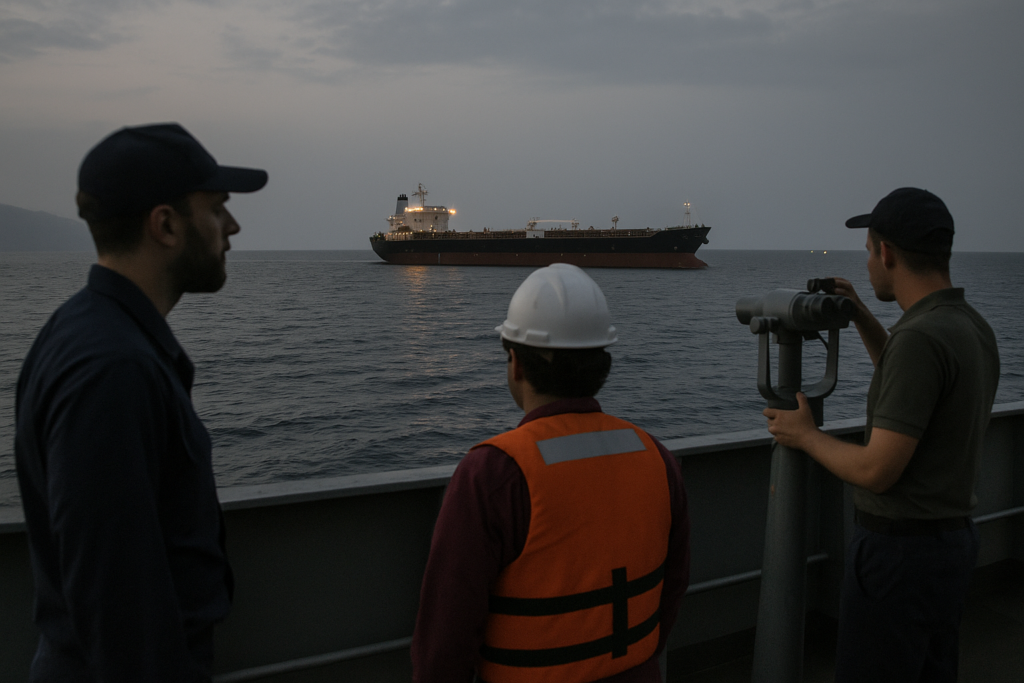
Recent reports indicate that the United States has conducted new military strikes targeting Iranian military infrastructure following a series of attacks on commercial shipping in the Strait of Hormuz. These developments come amid growing tensions between the two nations, which have seen a marked increase in hostilities over the past few weeks.
The U.S. actions reportedly aimed at deterring further Iranian aggression, particularly after Iranian forces were implicated in attacks on vessels linked to U.S. interests in the Gulf region. In response, Iranian military units have threatened to retaliate against U.S.-linked facilities, raising alarms over a potential escalation in conflict.
Analysts suggest that these developments could jeopardize the fragile ceasefire that had been established in the region. The Strait of Hormuz, a critical waterway for global oil shipments, has been a flashpoint for U.S.-Iran tensions for years, and the recent military actions could destabilize the already precarious situation.
The ongoing conflict has significant implications for U.S. foreign policy and national security, particularly as the Biden administration navigates complex relationships in the Middle East. The administration’s strategy appears to balance deterrence with diplomatic efforts to de-escalate tensions, though the recent strikes may complicate these efforts.
As the situation evolves, the international community is closely monitoring the developments, with many calling for renewed diplomatic engagement to address the underlying issues fueling the conflict. The potential for further military actions raises questions about the future of U.S.-Iran relations and the broader stability of the region.