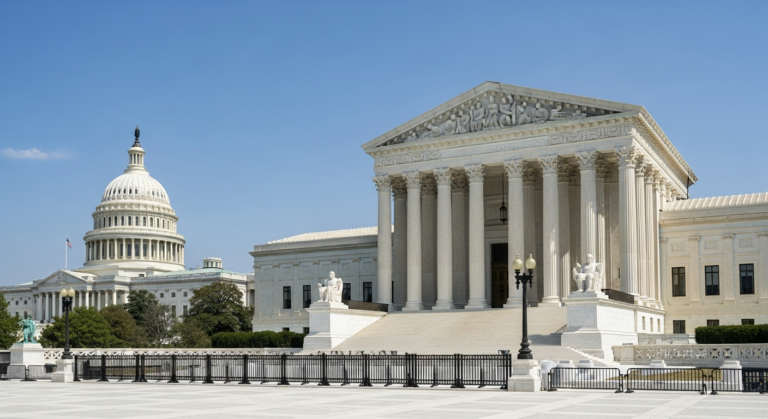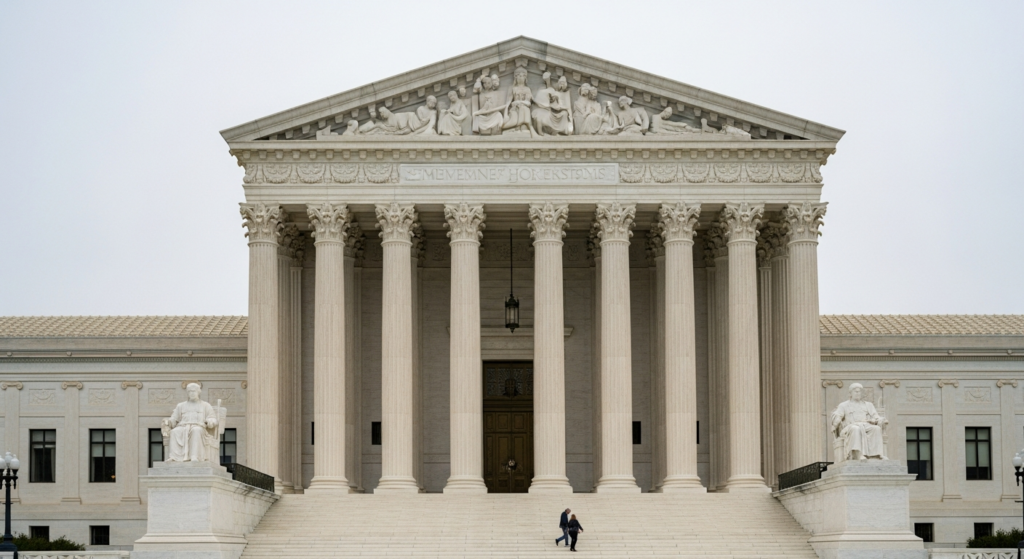
The U.S. Supreme Court has agreed to hear a case concerning Arizona’s proof-of-citizenship requirements for individuals registering to vote using state-issued forms. The decision adds a significant legal dispute over voting access to the court’s upcoming 2026-27 argument docket.
The case stems from a Republican-backed effort in Arizona to implement stricter verification measures for voter registration. At the heart of the legal challenge is the question of whether state forms can be used to compel proof of citizenship beyond what federal law currently mandates for voter registration.
SCOTUSblog, a publication that tracks the Supreme Court’s proceedings, reported that this case was among six new matters added to the court’s schedule. The addition signals the court’s willingness to weigh in on state-level voting regulations, particularly those that may impact the ease of voter registration.
The specific legal question before the court involves the interpretation of federal election law and its interplay with state-specific voter registration procedures. The outcome could have implications for how states verify the citizenship of potential voters, especially those who register using methods other than the federal mail-in registration form.
This legal battle highlights ongoing tensions between federal oversight of elections and states’ authority to manage their own voting processes. Advocates on both sides of the issue are expected to present arguments concerning voter access, election integrity, and the balance of power between federal and state governments in regulating elections.
The court’s decision to take up the case suggests it views the legal question as substantial and potentially requiring a definitive national ruling. The 2026-27 docket will now include this significant dispute, with further details on the timing of arguments and a subsequent ruling to be released by the court.