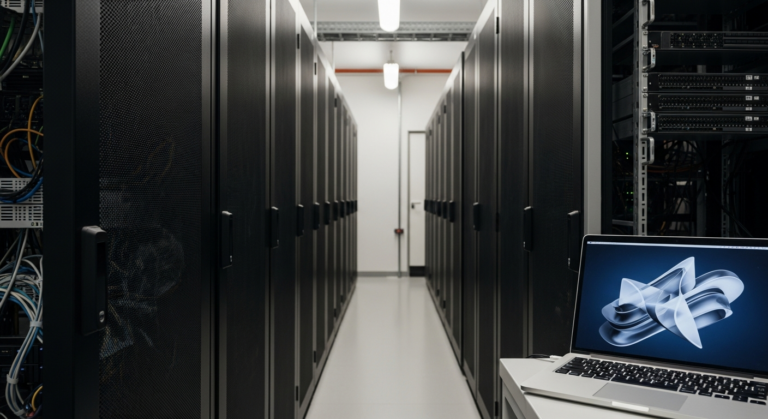
The burgeoning demand for artificial intelligence infrastructure is creating a ripple effect that could soon be felt by consumers in Grand Rapids and across the nation. Experts in technology and business reporting are highlighting a growing pressure on the supply of memory and storage components, a situation directly linked to the needs of AI development.
This increased demand for specialized chips used in AI processing is competing with the components required for everyday consumer devices. As the supply of these critical parts tightens, the cost of manufacturing for a wide range of electronics is expected to rise. This includes not only personal computers and gaming consoles but also potentially other smart devices that rely on similar memory and storage technologies.
Analysts suggest that manufacturers may pass these increased component costs onto consumers. This could manifest as higher retail prices for new computers, gaming consoles, and other electronic goods. The exact extent of this price pressure remains to be seen, as it will depend on various market factors, including the ability of manufacturers to secure alternative supply chains or the development of new production capabilities.
While the immediate impact on prices in Grand Rapids is not yet quantifiable, the global nature of the semiconductor supply chain means that market shifts in component costs are likely to affect local retail availability and pricing. Consumers looking to purchase new electronics may want to monitor market trends and consider potential price increases in the coming months.
The situation underscores the intricate connections within the global technology ecosystem. The rapid advancement and adoption of AI technologies, while promising significant innovation, also present challenges in managing the supply and cost of essential hardware components. This dynamic affects not only the companies developing AI but also the broader consumer electronics market that serves millions of users worldwide.