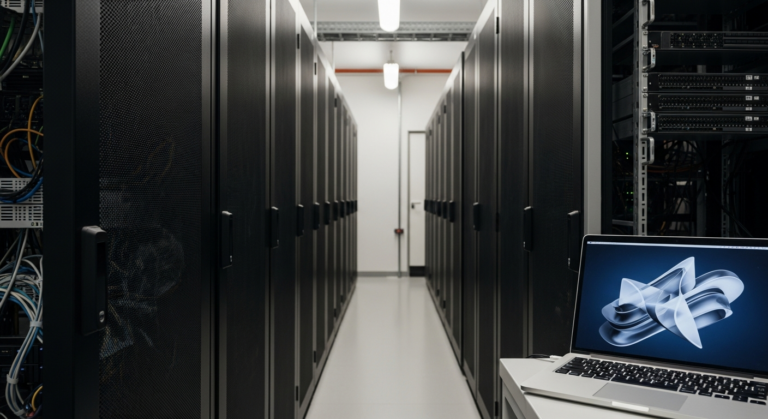
The burgeoning appetite for artificial intelligence is placing unprecedented demands on electrical grids, a trend that is increasingly influencing site selection for data centers and sparking local debates about economic development. As AI technologies become more integrated into various sectors, the need for robust computing power translates directly into a significant increase in electricity consumption.
This surge in demand is compelling utility providers and regional planners to scrutinize existing grid capacity. The energy required to operate large-scale data centers, which house the servers and infrastructure necessary for AI processing, is substantial. Consequently, the availability and reliability of power are becoming critical factors in where these facilities can be established. This dynamic is reshaping conversations around land use, zoning regulations, and the long-term economic strategies of communities.
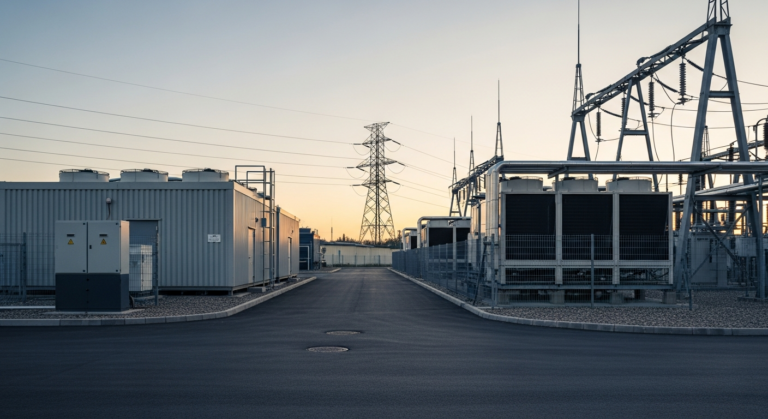
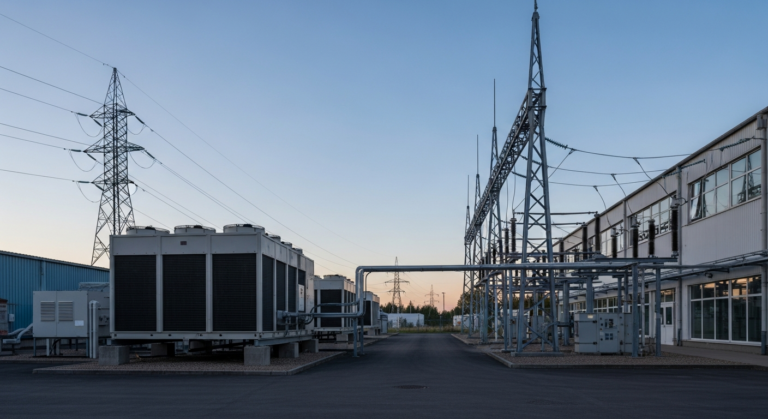
Reports indicate that the capacity of the electrical grid is not merely a technical consideration but a significant driver in the economic development landscape. Businesses looking to build data centers are increasingly prioritizing locations where the power infrastructure can support their operations without compromising the stability of the existing grid for residential and commercial consumers. This has led to a more complex site selection process, where utility assessments are as crucial as land availability and labor force considerations.
The implications extend to local governments and economic development agencies, which must balance the potential for job creation and tax revenue from data center investments against the strain on public utilities and the environment. Decisions about approving new data center projects often involve intricate negotiations with power companies and careful consideration of ratepayer impacts. The long-term sustainability of such developments hinges on the ability of the grid to adapt and expand to meet future energy needs.
As the technology sector continues its rapid expansion, the interplay between AI-driven power demand and utility planning is set to remain a focal point. The challenge lies in ensuring that infrastructure development keeps pace with technological advancement, supporting innovation while maintaining reliable and affordable energy for all consumers in the Grand Rapids area.
Why it matters in Grand Rapids:
The growth of AI and its associated data center infrastructure presents a complex challenge for Grand Rapids. As a region with significant industrial and technological employers, such as Steelcase Inc. and Gordon Food Service, the demand for reliable power is paramount. Local utility providers, like Consumers Energy, are tasked with ensuring the grid can support both existing businesses and the potential influx of new, energy-intensive facilities. This situation directly impacts land-use planning within Kent County and influences economic development strategies aimed at attracting and retaining businesses. The decisions made today regarding grid capacity and data center siting will have long-term consequences for the economic vitality and energy security of Grand Rapids and its surrounding communities.