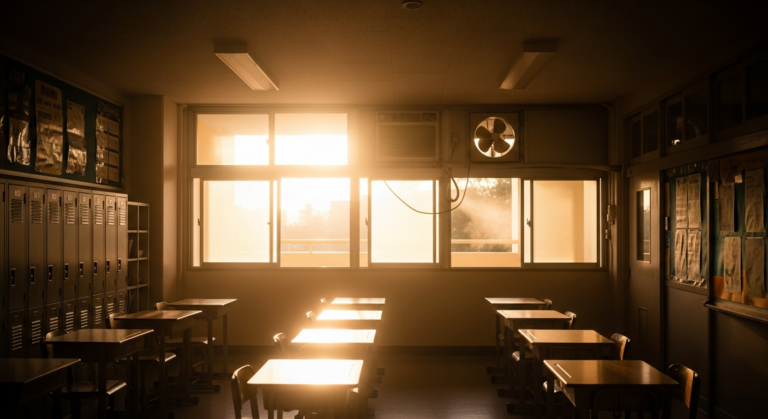
Grand Rapids public schools, like many districts nationwide, are facing renewed attention on their cooling and ventilation systems as recent heat waves have caused significant disruptions. The intense summer temperatures have brought to the forefront long-standing issues regarding building readiness and the capacity of classrooms to maintain safe and conducive learning environments.
National education coverage has detailed instances of schools experiencing closures, shortened days, or modified schedules due to overheating. These events have prompted a broader discussion about the adequacy of existing infrastructure in schools, particularly in older buildings that may lack modern climate control or robust ventilation.
The focus extends beyond mere temperature regulation. Experts and educators are increasingly emphasizing the importance of proper ventilation, not only for comfort during hot weather but also for maintaining air quality and reducing the spread of airborne illnesses. Reports indicate that many school facilities were not originally designed to cope with the prolonged and extreme heat events now becoming more common.
In Grand Rapids, the district’s response to these challenges is under renewed scrutiny. While specific building projects and updates to cooling systems are often part of ongoing capital improvement plans, the immediacy of the current weather patterns has amplified calls for accelerated action. The ability of schools to adapt quickly to unexpected temperature spikes is critical for ensuring uninterrupted education and student well-being.
This situation often necessitates difficult decisions for school administrators. These can include adjusting bus schedules to avoid the hottest parts of the day, modifying athletic practice times, or even exploring the feasibility of temporary cooling solutions for classrooms that are most affected. The financial implications of upgrading or retrofitting entire school buildings to meet modern climate standards are substantial, often requiring significant investment and long-term planning.
The conversation around school infrastructure is not new, but the increasing frequency and intensity of heat waves are forcing a re-evaluation of priorities. For Grand Rapids, this means examining the current state of its school facilities and considering the long-term implications of climate change on educational operations. The goal is to ensure that all students can learn in a safe and comfortable environment, regardless of external weather conditions.
As the summer progresses, the effectiveness of current measures and the pace of any planned improvements will be closely watched. The disruptions serve as a stark reminder of the complex interplay between aging infrastructure, environmental challenges, and the fundamental need for consistent educational access.