Meta plans to commence manufacturing its own artificial intelligence chip in September, a development that further underscores the escalating buildout of AI infrastructure. This initiative is part of the company’s broader strategy to develop in-house training and inference accelerators, aiming to enhance its capabilities in artificial intelligence.
The custom-designed chip is intended to work in conjunction with existing Graphics Processing Units (GPUs), augmenting their performance for demanding AI workloads. This approach allows Meta to tailor hardware more precisely to its specific computational needs, potentially leading to greater efficiency and cost savings as its AI operations scale.
This move by Meta is a significant signal within the technology sector, indicating a trend toward greater vertical integration in AI hardware. Companies are increasingly recognizing the strategic advantage of controlling their own chip design and production, especially for specialized AI tasks that require immense processing power.
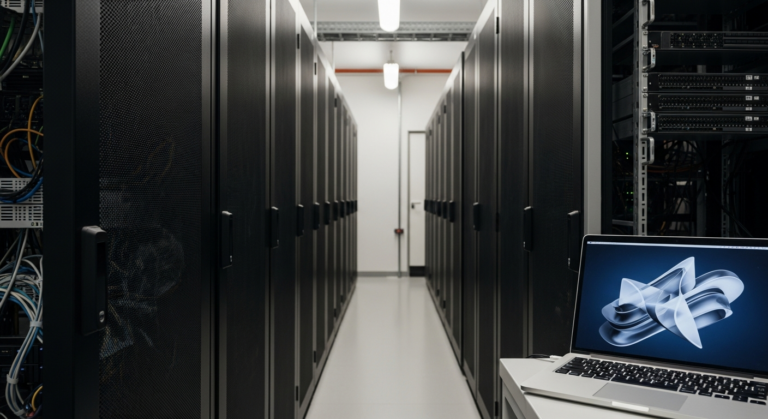
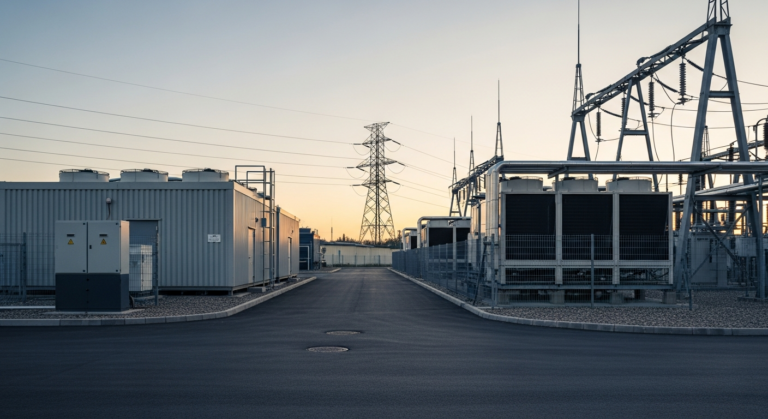
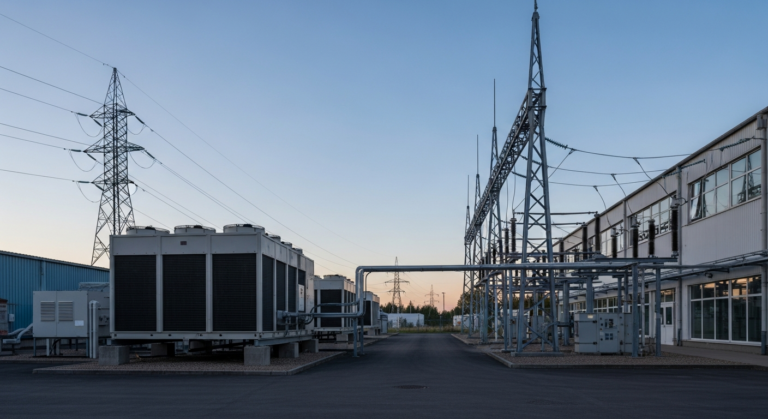
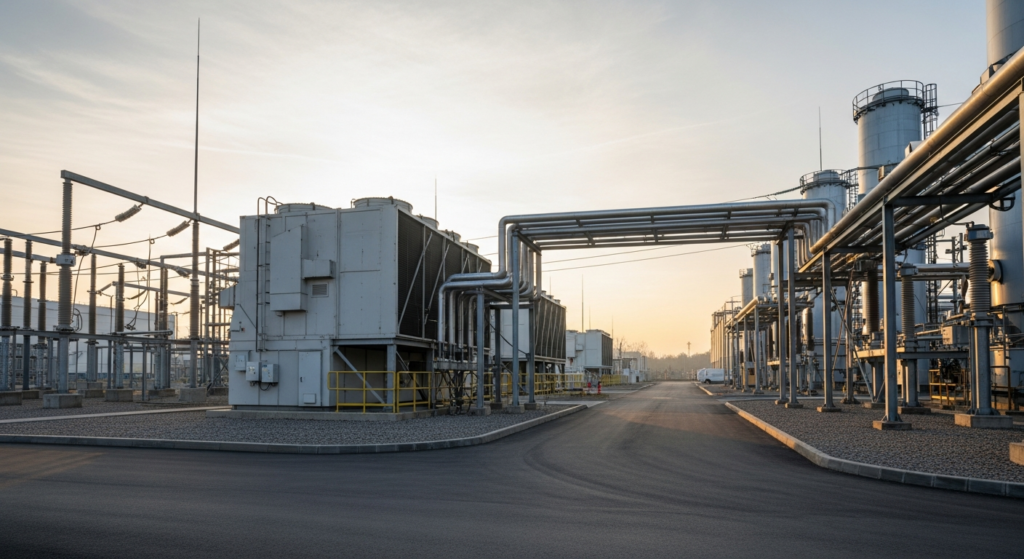
Beyond the chip itself, Meta is reportedly aiming to significantly expand its overall computing capacity. The company’s ambition is to scale its infrastructure to support approximately 14 gigawatts of power by 2027. Such an expansion represents a massive undertaking, requiring substantial investment in data centers, energy supply, and cooling systems. The sheer scale of this power requirement highlights the voracious appetite of advanced AI computations.
The implications of Meta’s chip production plan extend to various sectors. Technology employers and their supply chains will be closely watching the development and potential impact on the market for AI hardware. The increased demand for computing power also has direct relevance for utility companies, which will need to ensure sufficient energy generation and distribution capacity. Furthermore, the expansion necessitates the identification and development of suitable data-center sites, potentially driving real estate and construction activity.
This strategic push into custom AI chip manufacturing and large-scale compute expansion positions Meta to better compete in the rapidly evolving AI landscape. It reflects a broader industry movement where foundational technology development is becoming a key differentiator for companies seeking to lead in artificial intelligence research and application. The September production start date suggests a focused timeline for bringing these advanced capabilities online.