Major championship golf, particularly during events like The Open, often centers on the intricate relationship between course conditions and player performance. This year’s Open Championship at Royal Birkdale presents a compelling case study for golfers in Grand Rapids, offering insights into how weather, turf management, and strategic course setup can influence outcomes.
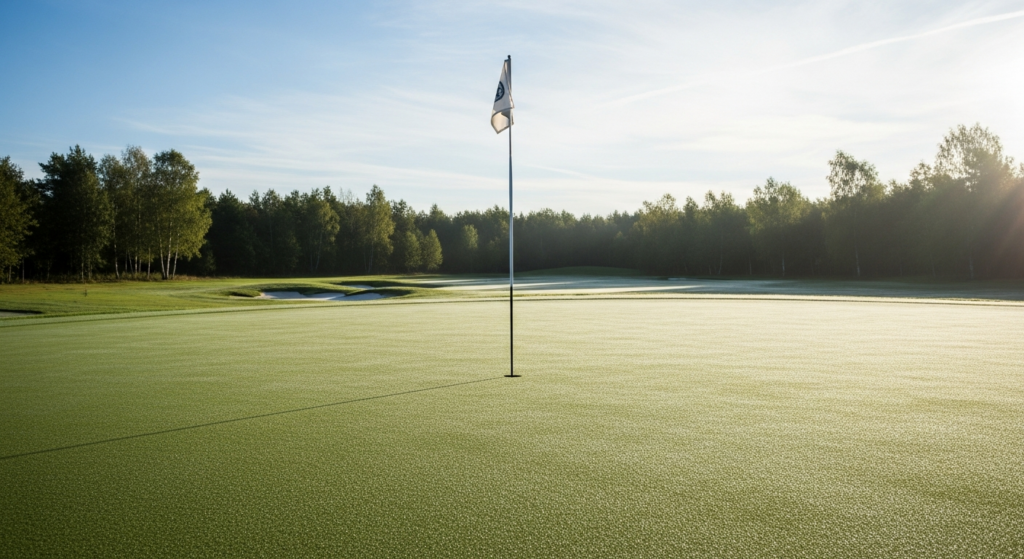
Coverage of major tournaments frequently highlights the impact of elements such as wind, rainfall, and the firmness of fairways and greens. These factors dictate shot selection, club choice, and overall strategy. For instance, the coastal location of Royal Birkdale means wind is a significant variable, forcing players to adapt their games to swirling conditions. Similarly, the condition of the bunkers, the precision of tee-time scheduling to account for changing weather, and the overall health of the turf are critical storylines that unfold throughout the week.
These same themes resonate with golfers at municipal courses and private clubs throughout the Grand Rapids area. While the scale and prestige differ, the fundamental principles of course conditioning and its effect on play remain consistent. Local golf course superintendents, much like their counterparts at major championship venues, grapple with managing turf health, drainage, and the effects of seasonal weather patterns. The challenges of maintaining pristine playing surfaces, especially during periods of heavy use or unpredictable weather, are a constant concern for golf operations in Grand Rapids.
Amateur golfers and participants in local junior programs can observe how professional players navigate these course-specific challenges. The strategies employed by top professionals to manage difficult lies, adapt to changing wind conditions, or play from challenging green complexes offer valuable lessons. Understanding how these factors are managed at a championship level can inform a golfer’s approach to their own game, even on a local course.
Furthermore, the practice rounds and early stages of major championships often reveal how players adjust to specific course layouts. The meticulous preparation, including scouting the course, understanding bunker depths, and assessing green speeds, provides a blueprint for how any golfer can approach a new or challenging course. This analytical approach to course management is transferable, encouraging local golfers to pay closer attention to the nuances of their own playing environments.
Watching how professionals interact with the course—from the tee box to the green—can illuminate the importance of course management. The Open Championship, in particular, often showcases links-style golf, which presents unique challenges such as undulating fairways, deep pot bunkers, and firm, fast greens. These characteristics demand a high level of skill and adaptability, qualities that can be appreciated and emulated by golfers at all levels.
For those in Grand Rapids interested in the strategic side of golf, following the course-condition storylines of major championships offers a deeper appreciation for the game. It underscores the fact that golf is not just about the swing, but also about the environment in which the game is played and the golfer’s ability to adapt to it. The Open Championship serves as a global stage to observe these dynamics at their highest level, providing a rich context for local golf enthusiasts.